Welcome all nutrition conscious individuals who on a daily basis lead a busy life! Do not fear, you don't have to necessarily make poor nutrition and fitness choices as a response to the daily stresses of life. Instead, focus on meeting your expectations for yourself by making the best nutrition and exercise choices on a constant basis and you will notice increased energy, positive outlooks, and how your views on the stresses of life may become less and less.

Wednesday, March 24, 2010

What to Eat and When to Eat: Pre and Post Workouts


What to Eat and Drink
When to Eat and Drink
How The Right Foods Can Increase Performance and Maximize Results

Athletes need to plan the times before and after workouts to consume adequate foods, ensuring they refuel muscle glycogen levels for the next workout session and to prevent injury.  
For the rest of us, we also need to consume proper foods pre and post workouts to reduce chances of injury, inflammation, and to increase lean muscle mass, aide in weight loss, and prevent weight gain. However, for the average person who is trying to fit in a 30-60 minute gym session, your focus should be more on maintaining an overall healthy diet and not necessarily consuming high amounts of foods pre-workouts. To lose weight, you must eat fewer calories than you use, but not less than your body needs to function, while taking your resting metabolic rate into account. This is the amount of calories you burn doing daily activities such as sleeping, eating, walking, talking, etc.  

  • Before Workouts:
    • What to eat: The foods consumed throughout the day are consumed in your muscles as glycogen, fueling the body for your workouts. Opt for complex carbohydrates, liquids, which are quickly digested, or energy bars. 
    • When to eat: I would not recommend exercising on a full stomach and instead would suggest you consume food 1-4 hours prior to exercise, to ensure proper digestion and prevent stomach cramps, discomfort, and bloating. 
    • Fluids: Being well hydrated means the body will function more efficiently. You should be consuming anywhere from 16-20 ounces of water a few hours before a long, intense workout session. Sports drinks are not necessary unless you are exercising for more than an hour or taking part in an endurance event such as running, biking, or swimming. It is very important to intake the perfect amount of fluids, as too little fluids can cause dehydration and too high amounts of fluids can cause an intoxication of fluids in the body system, pushing nutrients and electrolytes out of the body, both which can be fatal. 
           Examples of foods for pre-workouts/events:
    • For the Athlete:
      • Whole grain bagel or whole grain pasta a few hours before as this is slow to digest
      • Peanut butter sandwich on whole grain, also a few hours before, slow to digest
      • rice cake with peanut butter or almond butter, slow to digest
      • energy bar (powerbar, Cliff Bar, etc) 
      • Smoothie, quicker to digest, could consume within an hour of exercise 


          • 1 C frozen berries 
          • 1/2 C soy milk, almond milk, or skim milk
          • 1/2 banana
          • optional 1tbs peanut butter, almond butter 
          • Blend thoroughly, adding more milk of needed. This will be digested quicker than a solid food. 
      • As for myself, I consume 1 protein bar (Clif Blueberry is my favorite) about 1-2 hours before and consume minimal fluids hours before and right up until the race starts. I also avoid all fruits, vegetables, dairy, and high fat foods days before a long race, and typically consume electrolyte enhanced fluids and carbohydrates only. During a running event, I drink electrolyte enhanced fluids such as any sports drink. Consuming protein is more adequate during events longer than 2 hours, as this is the point at which the body will most likely start using protein stores for energy. I highly recommend you try a few different foods on different days before workouts to experiment what works with your stomach and what makes you feel best and compete at your highest level. 


      • The night before a run- 1/2 or full marathon, I carbohydrate overload, but not to extremes. The fact is, consuming too high levels of carbohydrates will only be stored if not used and act as dead weight. I also only consume about 200-400 calories the next morning, to top off the liver glycogen stores I lost in my nights sleep. I avoid fiber, fat, and heavy foods the morning of, and typically eat a small bowl of pasta or a protein bar such as the Clif bar, my favorite being blueberry and banana. I also consume an energy drink such as Gatorade or an electrolyte and sugar enhanced drink with minimal amounts of caffeine. Typically, as an endurance athlete, I recommend consuming gatorade or sports drinks a few days before to store electrolytes and avoid nutrient loss through urination. 


    • For the Average person:
      • Before a workout session at the gym, if you are running on low and haven't eaten for at least 3-4 hours before, a few options I would opt for are: 
        • piece of fruit- orange, cherries, grapes, berries 
        • protein bar
        • handful of raw nuts
        • handful of vegetables plain or with hummus
        • a few whole grain crackers
        • handful of edamame
        • celery with peanut butter/almond butter
        • Or, my preference is to make a juice with my juicer or drink a juice such as Green Plant or Garden Patch from Trader Joes. These drinks will not only fill you up for a workout session, but they are light on the stomach, easy to digest, and will increase the amount of nutrients absorbed from vegetables and fruits for that day. 
      • As for fluids, consuming water all day and sips throughout your workout should provide you with adequate hydration. If you are experiencing a dry mouth, you are probably dehydrated, and should definitely re-think the amount of water you drink everyday.
      • As for myself, before a short workout session at the gym or a short distance run or weight session, hike, swim, bike, etc, I make sure I am hydrated and consume sips before and during the workout, and opt for a small snack if I am feeling extremely hungry pre-workout, typically consuming a raw juice.  

After Workouts:
    • What to eat: Protein and carbohydrates, no fat as it slows down digestion. Consume foods high in antioxidants such as berries as well. Protein supplies the body with proper amino acids to rebuild muscle tissue and increase immune function.  
        3:1 ratio, of approximately 30-90 grams carbohydrate to 10-30 grams protein 
    • When to eat: as soon as possible, optimally within an hour and no longer.
    • Fluids: Restoring fluid balance is important for sodium in the body and for injury prevention and to prevent dehydration. If you have the time and think about it, weigh yourself naked before and after a race. For each pound lost, that equals about 16 ounces of fluid to consume. 
    • Type of protein: Protein in the form of powder such as whey, soy, rice, or hemp, mixed into a smoothie or with another liquid. This is the quickest way for the protein to reach the muscles post workout, in liquid form.
    • Other protein sources such as tuna, beans, legumes, lean meat, or tofu are solid sources of protein that reach the muscles slower in digestion, but are also great sources after a liquid form. 
    • Carbohydrates are also ideal to consume in a post workout meal as they restore muscle glycogen, to prepare the body for the next workout session. 
    • Carbohydrates consumption after a workout also causes an insulin spike, pushing nutrients into muscle tissue quicker. 
    • Type of carbohydrate to consume: Fast digesting carbohydrates, such as dextrose and foods containing sugar. Dextrose is found in fruits and honey and simple carbohydrates. Bananas contain high amounts of dextrose once ripe.
    • For the average person who works out for 30 or more minutes, I would suggest you consume adequate amounts of protein post workout with minimal fat and a complex carbohydrates. I typically consume protein from tofu or fish with vegetables or vegetables with a complex carbohydrate such as brown rice or quinoa. I also suggest consuming adequate amounts of water after a workout and sips during. 
    • For myself and all endurance athletes, I consume protein in a liquid form such as smoothies with protein powder. My favorite recipe is a banana, frozen strawberries, frozen berries, about a half cup of unsweetened almond milk mixed with GoTein protein powder or hemp or brown rice protein powder, blended thoroughly. Typically the remainder of the day I eat mainly vegetables and fruit and protein in the form of egg whites, fish, or tofu and little fat if I am training for an endurance event. 

Overall, I suggest you sweat at least 4-5 days a week at the gym or outdoors, doing some type of physical activity. The major rule of thumb for me for fluids is to never reach the point where I actually feel thirsty, which is a sign of dehydration. Dehydration can actually cause one to consume more food when actually there is a need for more fluids. So, stay hydrated with water throughout the day, and consume fruits, vegetables, lean protein sources, and complex carbohydrates pre and post workout for maximum results! 


    Monday, February 15, 2010

    How Much Protein Do You Really Need?

    A lot of athletes and people in general believe they require excessive amounts of protein. In reality, too much protein can actually harm your body and will ultimately become waste in your urine. On the other hand, protein aides in many important body functions. Listed below is the recommendations according to the RDA guidelines. 

    The Pros of Protein
    • Consists of Branched Chain Amino Acid chains, which our bodies cannot make 
    • Essential for building muscle, repairing muscle, and maintaining muscle
    • Needed to make red blood cells, increase immune function, hormonal balance
    • Important in maintaining healthy hair, nails, and skin
    • Aides in weight loss and weight management  
    The Cons of too much Protein
    • Too much protein can mean high fat
      • eat less animal fat and coconut, palm, and kernal oils
      • The Atkins Diet contains 53% fat and nearly 20% of that is saturated 
    • Too much protein can mean low fiber
      • increasing risk of cancer, diabetes, heart disease, and obesity
    • Can cause a lack of phytochemicals, vitamins and minerals 
    • Potential for increased bone loss and low bone density
    • The body can only process and digest so much at a time, and an overabundance is excreted in urine, stored as fat, or used for energy.
    • When the body processes high amounts of protein, it can tax the liver and kidneys, leading to health problems down the road.
    • Can lead to increased calcium deposits in the blood, which can lead to kidney stones. 


    PROTEIN FOR ATHLETES
    Protein is used as a source of energy for athletes. Whether the athlete is growing, increasing muscle mass, doing endurance training, or dieting, the requirements will vary. In most cases, the protein requirements for athletes is higher than the average person. 


    The recommended daily allowance for endurance athletes: 1.2-1.4 grams per kilogram of body weight per day.


    The recommended daily allowance for strength training athletes: 1.4-1.8 grams per kilogram of body weight per day. 


    PROTEIN FOR WOMEN
    .8 grams per kilogram of body weight


    example: 150 pound female, 150 / 2.2 kg x .8 = about 55 grams of protein a day


    PROTEIN FOR MEN
    .8 grams per kilogram of body weight

    example: 190 pound male, 190 / 2.2 kg x .8 = about 69 grams of protein a day 


    PROTEIN FOR CHILDREN
    Ages 2-3: Based on 1000 Calorie diet, 5-20% protein/13-50 grams 
    Ages 4-8: Based on 1200-2000 Calories, 10-30% protein/30-90 grams 
    Ages 9-13: Based on 1600-2200 Calories, 10-30% protein/40-120 grams
    Ages 14-18: Based on 1800-3200 Calories, 10-30% protein/45-135 grams 


    Protein Powder  


    • Whey
      • Fat-Free Whey Protein Isolate
      • Made from the globular proteins isolated from whey, a by-product of cheese from cow's milk.
      • Popular in bodybuilding since it is soluble and easily digested.
      • Most commonly used post workout sessions to increase amino acids in the blood used to by the muscles to build mass.
      • Aides to build and repair muscle tissue.
      • Increases blood flow during exercise.  
      • Two types: 
        • Isolate: 90% pure protein, low in fat, carbohydrates, more expensive
        • Concentrate : 75% protein, high in fat and lactose, cheaper. 
      • Not a lot of cash to spend? Opt for Whey Blend, a great mix of the two. 


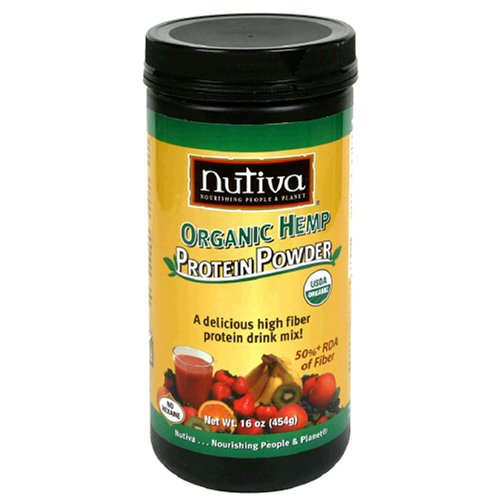
    • Hemp
      • Increasing in popularity among athletes due to its high protein and low fat content. 
      • A complete protein and high in dietary fiber.
      • Studies have shown it increases metabolism, enhances energy levels, lowers cholesterol, increases immunity, and reduces food cravings. 


    • Soy
      • Low in fat, low in carbohydrates.
      • High in antioxidants.
      • Complete protein.
      • May cause upset stomach.
      • Difficult to stir into a drink/smoothie.
      • Taste is not very good, bean flavor. 
      • May not help muscle recovery as well as other protein sources.


    • Rice
      • High in dietary fiber.
      • Complete protein, containing all amino acids. 
      • Hypoallergenic, causing fewer allergies such as soy, wheat, milk, etc. 
      • The body utilizes rice protein more than soy. 
      • Not as effective as building muscle. 


    My Recommendations:


    • Consume adequate amounts of protein from plant sources that are low in fat such as legumes, lentils, nuts, beans, tofu, edamame and whole grains.
    • When it comes to animal protein, I recommend fish and eggs.  
    • If you eat meat, consume lean poultry and lean red meat.


    ~ A 6 ounce steak is approximately 38 grams of protein, 44 grams of fat, with about 16 grams of saturated fat, almost three-fourths the recommended daily intake for saturated fat.


    ~ The same size piece of  salmon gives 35 grams of protein and 18 grams of fat, with 4 being saturated. 


    ~ A cup of cooked lentils has approximately 18 grams of fiber and less than 1 gram of fat. 


    Why I say NO to the Atkins Diet and all No/Low-Carb Diets!
    • High in saturated fat.
    • Low in fiber.
    • Low in nutrients and essential amino acids, vitamins, and minerals. 
    • Too high in protein that can ultimately harm the kidneys and other organs.
    • Can lead to calcium deposits in the blood, causing potential kidney stones.
    • Increase water weight and weight gain instantly after consuming any carbohydrates.
    • Awful for your heart, clogging arteries, and essentially leading to plaque build-up and Atherosclerosis.
    • After only a short time on a no carbohydrate diet, the body goes into a state of Ketosis, where the brain and organs rely on energy production from protein and fat sources since there are no carbohydrates available. 
    • It is more difficult to lose weight in the long run doing this diet and I highly recommend a diet high in fruits, vegetables, complex carbohydrates, and healthy protein sources.
    • I also recommend limiting or cutting out cheese, which is high in saturated fat and is literally addicting from the casein, according to numerous medical research studies. 


    Sunday, January 24, 2010

    Vitamins and Mineral Supplements...Too Much of a Good Thing?

    While some of us believe that taking a multi-vitamin and supplements are pointless and a waste of money, others rely on vitamin popping on a daily basis, spending hundreds of dollars a month. The fact is, most people aren't eating a well balanced diet everyday to ensure requierd vitamin dosages for the body, causing a lot of people to turn to supplementation.

    What is the real verdict? In order to actually know what your body requires vitamin wise, you're best bet is to speak with your physician and get a blood test to see deficiencies. Taking a multi-vitamin once a day will most likely benefit the average person, who typically isn't consuming enough fruits and vegetables every single day to meet the requirements.

    Most vitamins do have toxic levels if taken consistently in excess, especially the fat-soluble vitamins A and D, which can accumulate i the body. Vitamin A is actually the most toxic vitamin if taken in high levels above the 700-900 mcg recommendation. B-vitamins are water soluble and amounts that do not bind are excreted in urine.

    Omega-3 fatty acids, fish oil, alpha-linolenic acidThe chances of one overdosing on vitamins is not very high, but overdosing on numerous minerals and other supplements is a bit easier. From L-Carnitine to  Fish Oil, Flaxseed Oil, Milk Thistle,

    It is estimated that 5-10% of people who take supplements ingest megadoses of certain vitamins and minerals.

    Too many vitamins in the body can lead to toxicity and interfere with the bodies natural defense mechanisms. If you take a wide array of supplements a day, you could be at risk for harming your body and storing toxic substances in your liver and organs. This may result in skin rash, hives, nausea, disturbed body systems functioning, liver damage, irritability, weakness, headache, etc. This table provides the daily required vitamins and the dosages at which you should be getting, along with overdose side effects.


    On the other hand, taking the right amout of vitamins in complimentary form is extremely beneficial to the body. As we age, our bodies do not absorb vitamins as efficiently. For instance, as we get older, we do not absorb iron as well, but taking it with Vitamin C increases this. Taking Vitamin D with Calcium also increases absorption and overall bone health.

    Friday, January 22, 2010

    3 Apples a Day Will Keep the Doctor Away...

    I have been eating one apple a day for the past year at least, and am going to start amping that number up to 2 or 3 if I can stomach it. The truth is, a medium sized apples contains about 5 grams of fiber, and with 3 apples a day, you're knocking out 15 grams of fiber out the 25-38 grams recommended by many physicians and nutritionists. With 0 grams of cholesterol and fat, and low on the Glycemic index, apples are a wonderful fruit to include in your diet on a daily basis.  

    Start everyday off with an apple. First thing in the morning, you are probably going to be craving some type of carbohydrate rich staple breakfast food- cereal, toast, a bagel, croissant, etc. Trust me on this one, try eating an apple instead first thing in the morning for breakfast and see how you feel after a few weeks of this. When you eat fruit such as apples, pears, berries, etc, after a meal, it literally sits on top of the food and all nutrients are not absorbed and that fruit does not digest properly. When you eat an apple on an empty stomach, it gives the body a chance to fully absorb all vitamins, minerals, fiber, and phytochemicals. Apples are a rich source of phenoylics- chlorogenic acid and catechin. And also high in beta-carotene and flavonoids including phloridizin and quercetin. 

    Eating 1 apple a day has great health benefits, but eating 3 apples a day has even better health benefits!

    • weight loss
      • high in dietary fiber, aids in digestion
      • One study I found from The University of Rio de Janeiro stated that based on evidence, women who added 3 apples a day to a low-fat diet increased weight-loss compared to those who did not.
    • brain health
      • Apples have just the right dose of antioxidants to raise the levels of acetylcholine- a neurotransmitter- that is essential to memory. 
      • Increases learning ability and cognitive function.
      • May contribute to age-related diseases that affect the brain such as Alzheimer's Disease. 
    • heart health
      • Reduces plaque build-up in arteries
      • For every 10 grams of fiber added to the diet a day, from two apples a day, there is a 14% decrease in heart disease 
      • Other studies discussed the apple peel was associated with a decreased risk in developing heart disease 
    • cancer fighting
      • Many studies I found discussed that the flavanoids in apples inhibited the growth of cancerous cells. 
    • stroke prevention
      • The phytochemicals in apples has been found to lower the chances of stroke in numerous studies published. 
    • diabetes 
      • Diabetics who consumed apples had smaller spikes in glucose after eating, possibly due to the soluble fiber content.
    First hand, I can tell you that after eating an apple nearly every morning, I feel lighter, more energetic, and completely satisfied. Typically I eat one apple in the morning with warm lemon water or hot herbal tea, and then a few hours later eat raw nuts, vegetables, more fruit, or a brown rice cake until lunch. Then, I typically eat an apple before lunch or mid afternoon on an empty stomach for the most nutritional gain. 


    On a side note, opt for organic apples- they are chemical and antibiotic free. With the skin being high in fiber and nutrients, you don't want to put a ton of unknown substances into your body, do you? 

      Wednesday, January 20, 2010

      Running...A Love Hate Relationship

      "We run, not because we think it is doing us good, but because we enjoy it and cannot help ourselves...The more restricted our society and work become, the more necessary it will be to find some outlet for this craving for freedom. No one can say, 'You must not run faster than this, or jump higher than that.' The human spirit is indomitable." 
      -Sir Roger Bannister, first runner to run a sub-4 minute mile


      My friends call me crazy for waking up at 6am, with four hours of sleep, and running a 10k in the pouring rain a few weeks ago. I told them they are the crazy ones for not accompanying me in an invigorating adrenaline rush! I have been running since I was about twelve years old, and I suppose everyone has been calling me crazy since then!

      Running has gotten me through a lot, and has been my personal escape from society. It helped me get past bouts of being hospitalized as a child, and I still credit running to improving my immune system and making me the healthy person I have become. Running is my escape from drama with my friends, a break from relationships, and a relief from the stresses of school and work. Running has been there for me during the coping of lost loved ones, and overall, the hardship that comes with life. I also credit running to the exuberant individual I have grown into over the years.  

      What first crosses my mind when people tell me they hate running, is that they aren't doing it right. A lot of people who ask me to train them and push them to run solely do it just to get it over with. I on the other hand, run not only to stay in shape, but for the enjoyment. I admit I have a love hate relationship with running, dreading some of those early morning or late night runs and making excuses for myself to skip them. And I know, every run isn't going to be great.

      I have seen firsthand a growth in appreciation for running after training a few of my friends. Going from dreading our weekly runs to asking me when we can run again and telling me they want to keep going after the first few miles is a rewarding experience.


      What are you 
      scared of? 


      I have been told by numerous people that they are afraid of running and think it takes up way too much time. Most people think running is mundane and are scared of being fatigued. A lot of people are also scared to run outdoors and feel the only way they can run is on a treadmil.  


      Look, I'm insanely busy, as everyone else is too, and most days I can only spare an hour, or even a half an hour, and if I can fit in a few miles, so can you. What people don't realize is that running probably takes less time than getting dressed and making your way to the gym. Instead, all you need to do is throw on running clothes, running shoes, grab your keys and head out the door for a quick workout session if you have time constraints. What exactly is the deal with everyone being so scared to run outdoors? Running on a treadmil is not only mundane, it also can be harder based on the incline and speed. Running outdoors gives you an excuse to get fresh air, clear your mind with no one around, and gives you the opportunity to switch up your scenery. Trust me, no one is judging you. 

      I have also found that a lot of people have a fear of running in races. However, I have complete faith in everyone around me that they can easily run a 5K. I would advise new runners to train for a 5k and build your way up. I have devised a plan shown below, increasing runs on a weekly basis to prepare you physically and mentally. It doesn't matter how fast you go, or if you have to walk, the focus needs to be on completing the race! Follow this plan and you will successfully finish the race, get in better shape, and maybe even find an appreciation for running. 

      Running questions? Training questions? Wondering if I will take you on a run? Just email me!


      CT=cross train. Bike, swim, yoga, hike, pilates, weightlifting, etc.


      Week

      M

      T

      W

      Th

      F

      S

      Sun

      1

      Rest

       1.5 m run

      CT

      1.5 m run

      Rest

       2 m run

       30 min EZ

      2

      Rest

       2 m run

      CT

      1 m run

      Rest

       2.5 m run

       30 min EZ

      3

      Rest

       2 mi run

      CT

      1.5 m run

      Rest

       2.5 m run

       30 min EZ

      4

      Rest

       2.5 m run

      CT

      1.5 m run

      Rest

       3 m run

       35-40 min EZ

      5

      Rest

       3 m run

      CT

      1.5 m run

      Rest

       3.5 m run

       35-40 min EZ

      6

      Rest

       3.5 m run

      CT

      1.5 m run

      Rest

       4 m run

       35-40 min EZ

      7

      Rest

       3 m run

      CT

      1.5 m run

      Rest

       4 m run

       40 min EZ

      8

      Rest

       3 m run

      CT/Rest

      2 m run

      Rest

      Rest

       5K Race!