Welcome all nutrition conscious individuals who on a daily basis lead a busy life! Do not fear, you don't have to necessarily make poor nutrition and fitness choices as a response to the daily stresses of life. Instead, focus on meeting your expectations for yourself by making the best nutrition and exercise choices on a constant basis and you will notice increased energy, positive outlooks, and how your views on the stresses of life may become less and less.

Wednesday, June 23, 2010

My Top 10, Easy, Nutritious Recipes

Out of all the cooking I do, these are my favorite recipes that I cook the most. A mix of breakfast, lunch and dinner ideas!
Not only are they insanely easy, the ingredients are nutritious, affordable, and delicious! For most recipes, the servings are for one person. Increase as needed if cooking for more people or cooking extra for other meals later in the week! 


10. Black Bean Veggie Burgers (makes 4-6 patties)


4 Tbs extra virgin olive oil
1 tsp salt (or more to taste)
1 Tbs Cumin
1 Tbs Red Pepper Flakes (optional, add more for spicy burgers)
1 C frozen or fresh mixed peppers, chopped
1 C diced onions
4 garlic cloves, finely chopped
1 can organic black beans, in water, no salt added
1 can organic pinto beans, in water, no salt added
1 can organic kidney beans, in water, no salt added


Heat stove to medium and in a large, deep skillet, add 2 Tbs extra virgin olive oil, onions, and garlic and let cook for 3-5 minutes. Add peppers and let cook for another 5 minutes approximately. Add all beans and let simmer for another 10-12 minutes or until soft and mash all ingredients. Add all spices and mix thoroughly until mashed. 


Turn off heat and add mixture to large bowl and place in fridge for at least 15 minutes. Once cooled down, mash all ingredients thoroughly again. Heat a skillet on medium heat and add rest of oil to coat pan. Form patties approximately 2 inches thick and the size of your palm, and place in pan. Cook about 5 minutes on each side or until golden browned and crisp. Prepare a plate with salad and place veggie burger on top, or eat on a whole wheat bun. Top with grilled onions, tomatoes, or any other vegetable and enjoy with sweet chili sauce or dressing of your choice. 


9. Roasted Vegetables and Quinoa or rice
1 C Quinoa (1 C of quinoa to 2 cups of water to cook) or Brown Rice
1 Red Pepper, chopped length wise
1/2 Zucchini cut length wise into pieces
1/4 Eggplant cut length wise into pieces
1TBS Earth balance butter
salt and pepper to taste
1 TBS extra virgin Olive Oil
1 TBS balsamic
1 TBS sessame seeds
1 serving frozen shrimp or other protein source


Preheat oven to 350 degrees. Boil 2 cups of water on stove on medium heat and add quinoa, cook accordingly, approximately 20-30 minutes or until water is gone. Line baking sheet with foil and coat with non-stick cooking spray. Add vegetables to baking sheet and drizzle with extra virgin olive oil and balsamic. Top with sessame seeds and roast for 30-40 minutes. Cook shrimp or protein (optional) in pan over medium heat until done. Add butter to quinoa and salt and pepper, and stir. Plate quinoa, place vegetables on top and mix in shrimp. Feel free to add red pepper flakes to this dish to make it spicy.


Quinoa is considered a seed and cooks and tastes like a grain, making it a great replacement. Quinoa is a complete protein, containing all 9 essential amino acids, the bodies building blocks. Quinoa contains magnesium to helpr relax muscles and improve blood pressure. It contains fiber, as well as manganese and copper, and full of antioxidants. Most importantly, quinoa is gluten free and easily digested to ensure proper digestion.


8. Brown Rice and Salmon with baked veggies or side salad


1 salmon filet, fresh or frozen, wild
2 TBS extra virgin olive oil
1 Tbs pepper
1 C long grain brown rice
1 Tbs Earth Balance butter
5-7 stalks of asparagus or ingredients for a small salad- 1C mixed baby greens, chopped tomato, chopped cucumber and oil and vinegar or Galeo's dressing 


Heat stove on medium, fill pot with 2 cups water (for every 1 C of rice, add 2 cups of water). Simmer for a few minutes and add rice with a dash of salt. Preheat oven to 450 degrees farenheit. Coat salmon and asparagus in extra virgin olive oil. Cover salmon generously with pepper and a dash of salt. Line a baking sheet with foil and spray with non-stick spray. Place salmon, skin side up and surround with asparagus. Bake in oven for 25-35 minutes or until well done. Mix buter into rice and place salmon over rice with asparagus.
Salmon combined with extra virgin olive oil complements the omega-3 fatty acids that are in both the fish and oil. This meal provides you with nearly 30 grams of protein, vitamins and minerals and complex carbohydrates that will keep you full and restore muscle glycogen.


7. Blueberry Coconut Muffins


11/2 C buckwheat flour
1/2 C coconut flour
1 C frozen or fresh blueberries
1 C honey
1 tsp baking powder
1 tsp baking soda
4 egg whites
1/3 C unsweetened almond milk or rice milk
1 Tbs cinnamon
silicon free baking cups


Preheat oven to 350 degrees farenheit. Mix flours, baking powder, baking soda, cinnamon. Mix eggs, milk, honey, and blueberries. Mix dry and wet mixtures until dough-like consistency is reached. Spoon mixture into 12 baking cups and bake for 25 minutes or until cooked thoroughly.


6. Vegetable Quesadilla
1 Ezeiekiel Wrap
1/4 C black beans (in water, no salt)
1/4 C peppers
1 Tbs chopped onion
1 Tbs extra virgin olive oil
1/4 C low moisture cheese, rice cheese, almond cheese (optional)
1/4 C chopped mushrooms of choice


Heat large skillet and add half of extra virgin olive oil. Add Eziekiel wrap and warm on both sides for 30 seconds approximately, or until lightly browned. In another pan add the rest of the extra virgin olive oil and add beans, peppers, onion, and mushrooms and cook until browned. Add cheese to Eziekiel wrap, let melt and add bean and vegetable mixture. Season with salt and pepper and fold over to form a quesadilla. Cook evenly for another 30-60 seconds on each side. Eziekiel wraps are full of fiber, protein, sprouted wheat, and are high in vitamins and minerals. They are also low in calories.


5. Protein Smoothie


1/2 Banana
1/2 C frozen berries
1/2 C frozen strawberries
1/2 C almond milk
Protein powder of choice (hemp,soy,whey, rice)
Blend all ingredients and enjoy. A protein smoothie is essential after a hard workout or for breakfast. After exercise, your body requires carbohydrates and protein and when consumed in a liquid form, your muscles glycogen levels are restored at a faster pace and digestion occurs more rapidly than solid food.


4. Egg White Scramble
1/2C Eggology Egg Whites or 4 egg whites
1/4 C peppers
1/4 C mushrooms
1/4 C onion
1/2 Avocado
1/4 C feta cheese (optional)
2 pieces of Eziekiel bread, toasted with Earth Balance butter


Heat skillet on medium, spray with extra virgin olive oil and add peppers, onions, and mushrooms. Let brown and add egg whites. Stir occasionally until cooked thoroughly and add feta if using. Plate and top with avocado. Egg whites are an excellent source of protein and four egg whites contains approximately 30 grams of protein. This meal will keep you full longer and is full of essential nutrients.


3. Vegetarian Lasagna
1 Package Whole Wheat Lasagna Noodles
1 Package low moisture, mozzarella cheese
1 tsp dried oregano
1 tbs extra virgin olive oil 
1 package basil leaves
1 jar marina sauce, low sodium
salt and pepper to taste
1 package frozen or fresh spinach
1 package fresh mushrooms, chopped thinly

Preheat oven 375 degrees Ferenheit and cook noodles accordingly. Heat large skillet with 1tbs extra virgin olive oil and add the sliced mushrooms, onions, spinach, basil, salt and pepper and garlic and cook until spinach is wilted and mushrooms are slightly browned. Next, slowly add marinara sauce to the mixture on the stove and stir, keep heat on low. Spray a large baking pan with cooking spray and line the bottom with one layer of the lasagna noodles. Add the sauce mixture thinly and top with a small layer of cheese. Next, add another layer of noodles and add the sauce mixture again topped with a thin layer of cheese, and continue until there is no more pasta left. The top layer should be lightly sprinkled with salt and pepper and cheese. Bake for about 25-35 minutes or until slightly browned on the top. Let sit aside for a few minutes until you cut into. 

2. Healthy Tofu Pad Thai
2 TBS olive oil
2 TBS peanut oil
1/2 shallot, thinly sliced
2 cloves garlic, minced
4 ounces of shrimp, chicken, or tofu (all optional)
1 egg, well beaten with a pinch of salt
7-8 ounces brown rice pad thai (fettucini style) pasta (Trader Joes-Soba/Pad Thai Noodles)
2-4 TBS Tamarind sauce
1 handful chopped peanuts (or cashews if you’re allergic), plus more for garnish
1 bunch fresh cilantro (coriander), plus more for garnish
1 handful of bean sprouts, plus more for garnish- mung beans
1 lime cut in wedges for garnish


Set a large pot of water over high heat. While it comes to a boil, set a large nonstick skillet or WOK over medium heat. Add in half of each oil, and gently cook the shallots until tender, about 3 minutes. Add in the chopped garlic and cook a minute more. With a slotted spoon, remove the shallots and garlic and place on a plate and set aside. If you want to add shrimp, chicken, or tofu, add it now and cook in the oil until shrimp is pink, the chicken is cooked through, or the tofu is nicely browned. Remove to the plate with the garlic and shallots.


When the water comes to a boil, slide the brown rice noodles/soba noodles into the water and stir with a fork. When the water comes back to a boil, let the noodles cook for a minute, remove from heat, and cover for about 2 minutes. Strain and rinse with cool water. Set aside.


Pour beaten egg into the hot skillet and swirl it around so the egg spreads out like a crepe or simply scramble the egg. Reduce the heat to low and cover. Cook until egg is just done. Roll the egg up, put on the plate with the garlic and slice in strips.
Turn the heat up to high. Add the rest of oils and then add rice noodles to the skillet and pour over the tamarind sauce as well. Toss with a wooden spoon or silicone spatula. Add in peanuts, cilantro, and bean sprouts. Toss until most of the liquid is soaked in or evaporated. Add in reserved egg, shallots, and garlic. Toss well and pour onto a large plate. Garnish with more bean sprouts, cilantro, peanuts, and lime wedges.


1. Shrimp/Tofu/Salmon Salad
1 serving of shrimp or tofu or salmon
1 plateful of mixed baby greens or romaine 
1 C peppers
1 C chopped beets
1/2 C garbanzo beans
1 C cherry tomatoes
1 C chopped cucumber
1/2 C raw chopped mushrooms 
Galeos Caesar, Miso or Honey Mustard dressing OR 
make own dressing of 1Tbs Extra Virgin Olive Oil, 1 Tbs water, and 1 Tbs Red Wine Vinegar mixed 


Preheat skillet on medium heat and spray with non-stick extra virgin olive oil and add peppers and protein of choice. While cooking, chop vegetables and toss into lettuce mixture with dressing of choice. Tofu should be cooked about 2 minutes each side and shrimp and salmon should be cooked accordingly, typically 5-7 minutes on medium heat. Let cool for a few minutes after on skillet and mix in with salad. 


Tuesday, May 4, 2010

JUICE....JUICE...JUICEEEE


JUICING 101
***The body can quickly absorb larger amounts of nutrients from juices than from solid foods because the process of digestion that is necessary when you eat whole foods is bypassed. Raw fruits and vegetables contain many substances that enhance health, and juicing benefits the body by providing the most concentrated and readily absorbed source of these substances.


***Another one of the major health benefits of juicing is that it is an easy way to get beneficial enzymes, which are primarily found in raw foods, into the body. Enzymes in fresh fruits and vegetables have the vital role of converting food into body tissue and energy. Enzymes are also involved in metabolism, so one of the more valuable health benefits of juicing is that it can increase metabolic rate. 

***Juicing also ensures that the body is getting sufficient amounts of phytochemicals, substances in plants that are considered among the most powerful ways to fight disease. While most people do not eat enough raw fruits and vegetables to obtain the amount of phytochemicals that would make a difference, it is relatively easy to drink enough juice to obtain sufficient amounts of these powerful nutrients. In addition, antioxidants and other immune enhancing properties are concentrated in juices.

***Juicing can therefore help to accelerate recovery from illness. In fact, juicing with specific combinations of fruits or vegetables can target particular conditions and improve or alleviate symptoms.

***Among the most interesting health benefits of juicing are its anti-aging benefits and its potential for alleviating symptoms of depression. The effects of juicing on depression are accomplished by providing a concentrated source of minerals like magnesium, potassium, iron, calcium, and folic acid. Deficiencies of these nutrients are associated with symptoms of depression.

***Further, the concentration of antioxidants in juices combats the damaging effects that free radicals have on skin and muscle. Juicing can help keep skin free from wrinkles and muscles well toned. In addition, increasing the intake of antioxidants by juicing can slow the onset of age-related illnesses

Juicing helps you absorb all the nutrients from the vegetables. This is important because most of us have impaired digestion as a result of making less-than-optimal food choices over many years. This limits your body's ability to absorb all the nutrients from the vegetables. Juicing will help to "pre-digest" them for you, so you will receive most of the nutrition, rather than having it go down the toilet.

Juicing allows you to consume an optimal amount of vegetables in an efficient manner. If you are a carb type, you should eat one pound of raw vegetables per 50 pounds of body weight per day. Some people may find eating that many vegetables difficult, but it can be easily accomplished with a quick glass of vegetable juice.
You can add a wider variety of vegetables in your diet. Many people eat the same vegetable salads every day. This violates the principle of regular food rotation and increases your chance of developing an allergy to a certain food. But with juicing, you can juice a wide variety of vegetables that you may not normally enjoy eating whole.

Add spirulina. Spirulina is another algae that has many similar benefits and is a good balance to chlorella. However, it does not bind to heavy metals like chlorella.
  • Coconut:  You can purchase the whole coconut or use unsweetened shredded coconut. It adds a delightful flavor and is an excellent source of fat to balance your meal. Coconut has medium chain triglycerides, which have many health benefits. Lauric acid -- the major fatty acid from the fat of the coconut -- has been recognized for its unique properties related to its antiviral, antibacterial, and antiprotozoal functions. Coconut also contains capric acid, which has antimicrobial components. Natural coconut fat in your diet helps normalize your body lipids, protects against alcohol damage to your liver, and improves your immune system's anti-inflammatory response.
  • Cranberries: You can also add some cranberries if you enjoy them. Researchers have discovered that cranberries have five times the antioxidant content of broccoli, which means they may protect against cancer, stroke and heart disease. In addition, they are chock-full of phytonutrients, and can help women avoid urinary tract infections. Limit the cranberries to about 4 ounces per pint of juice. 
  • Lemons: You can also add half a lemon (leaving much of the white rind on). If you are a Protein Nutritional Type, you will not want to use lemons as they will push your pH in the wrong direction.
  • Fresh ginger: This is an excellent addition if you can tolerate it. It gives your juice a little "kick"! And, as an added boon, researchers have found that ginger can have dramatic effects on cardiovascular health, including preventing atherosclerosis, lowering cholesterol levels, and preventing the oxidation of low density lipoprotein (LDL).
Lesson 5: Drink your vegetable juice right away, or store it very carefully.
Juicing is a time-consuming process, so you'll probably be thinking to yourself, "I wonder if I can juice first thing in the morning, and then drink it later?" This is not a good idea. Vegetable juice is very perishable so it's best to drink all of your juice immediately. However, if you're careful, you can store it for up to 24 hours with only moderate nutritional decline. To store your juice:
  • Put your juice in a glass jar with an airtight lid and fill it to the very top. There should be a minimum amount of air in the jar as the oxygen in air (air is about 20 percent oxygen) will "oxidize" and damage the juice.
  • Wrap the jar with aluminum foil to block out all light. Light damages the juice.
  • Store it in the refrigerator until about 30 minutes prior to drinking, as vegetable juice is best consumed at room temperature.
Dinner?
A cup of brown rice with a few chopped vegetables mixed in and protein.
"Brown rice gives your body plenty of B vitamins, which is a stress reducer. It's very high fiber, will fill you up, will help you sleep, and will flush you out in the morning."

Juices: Benefits of juicing to health

  • Juicing is an extremely efficient way of obtaining large quantities of high quality nutrients in the form that the body is most able to use.
  • Juicing allows the body to be flooded with the full spectrum of vitamins, minerals and enzymes.
  • Concentrated phyto-chemicals and antioxidants.
  • Fresh juices are a perfect food supplement
  • Juice is an excellent source of energising, cleansing and reparative nutrients and because it is in the raw state that the body is designed to deal with, there is no accompanying loss of energy when digesting it.
  • Helps to fight disease.
  • Reduces acidity in the body.

GREEN JUICES OR "GREEN DRINKS"

Green juices cleanse the body of pollutants and have a rejuvenating effect. Made from a variety of green vegetables, green juices are rich in chlorophyll, which helps to purify the blood, build red blood cells, detoxify and heal the body, and provide the body with fast energy.
Green juices can be made with alfalfa sprouts, barley grass, cabbage, kale, dandelion greens, spinach, and other green vegetables, including wheat grass. Wheat grass juice is particularly important in any cancer treatment, especially whenradiation therapy is involved.
To sweeten and dilute your green juices, try adding fresh carrot and apple juice. (No other fruit juices should be added.) Steam-distilled water is another good addition.
Although green juices have great health benefits, they should be consumed in moderation. Try drinking about 8 to 10 ounces a day. The following is an excellent "green drink":

Recipe 1: Vegetable Juice Combo
2 Swiss chard leaves
1/2 beetroot
2 or 3 sprigs of watercress
3 carrots
1 celery stalk
Wash with filtered or distilled water, cut and put in juicer.


Recipe 2: Carrot-Apple Juice
2-3 Small Green Apples or Red Apples
2-3 large carrots
Fresh basil leaves
Wash with filtered or distilled water, cut and put in juicer.


Recipe 3: Carrot-Vegetable Juice
A handful of dandelion leaves
1 kale leaf
4 carrots
Fresh mint, basil or coriander leaves
Wash with filtered or distilled water, cut and put in juicer.


Recipe 4: Peach Juice
2 or 3 peaches


Recipe 5: Apple Carrot Ginger
2-3 small  red apples
4-6 carrots
1 small piece of ginger
Recipe 6 Green Juice
4-5 carrots
3 sprigs fresh parsley
1 large handful spinach
1 large handful kale 1 beet, including tops
1 clove garlic, peeled
1/4 head cabbage


Recipe 7
3 carrots
3 celery salks
1 large beet and leaves
1 cucumber

Wednesday, March 24, 2010

What to Eat and When to Eat: Pre and Post Workouts


What to Eat and Drink
When to Eat and Drink
How The Right Foods Can Increase Performance and Maximize Results

Athletes need to plan the times before and after workouts to consume adequate foods, ensuring they refuel muscle glycogen levels for the next workout session and to prevent injury.  
For the rest of us, we also need to consume proper foods pre and post workouts to reduce chances of injury, inflammation, and to increase lean muscle mass, aide in weight loss, and prevent weight gain. However, for the average person who is trying to fit in a 30-60 minute gym session, your focus should be more on maintaining an overall healthy diet and not necessarily consuming high amounts of foods pre-workouts. To lose weight, you must eat fewer calories than you use, but not less than your body needs to function, while taking your resting metabolic rate into account. This is the amount of calories you burn doing daily activities such as sleeping, eating, walking, talking, etc.  

  • Before Workouts:
    • What to eat: The foods consumed throughout the day are consumed in your muscles as glycogen, fueling the body for your workouts. Opt for complex carbohydrates, liquids, which are quickly digested, or energy bars. 
    • When to eat: I would not recommend exercising on a full stomach and instead would suggest you consume food 1-4 hours prior to exercise, to ensure proper digestion and prevent stomach cramps, discomfort, and bloating. 
    • Fluids: Being well hydrated means the body will function more efficiently. You should be consuming anywhere from 16-20 ounces of water a few hours before a long, intense workout session. Sports drinks are not necessary unless you are exercising for more than an hour or taking part in an endurance event such as running, biking, or swimming. It is very important to intake the perfect amount of fluids, as too little fluids can cause dehydration and too high amounts of fluids can cause an intoxication of fluids in the body system, pushing nutrients and electrolytes out of the body, both which can be fatal. 
           Examples of foods for pre-workouts/events:
    • For the Athlete:
      • Whole grain bagel or whole grain pasta a few hours before as this is slow to digest
      • Peanut butter sandwich on whole grain, also a few hours before, slow to digest
      • rice cake with peanut butter or almond butter, slow to digest
      • energy bar (powerbar, Cliff Bar, etc) 
      • Smoothie, quicker to digest, could consume within an hour of exercise 


          • 1 C frozen berries 
          • 1/2 C soy milk, almond milk, or skim milk
          • 1/2 banana
          • optional 1tbs peanut butter, almond butter 
          • Blend thoroughly, adding more milk of needed. This will be digested quicker than a solid food. 
      • As for myself, I consume 1 protein bar (Clif Blueberry is my favorite) about 1-2 hours before and consume minimal fluids hours before and right up until the race starts. I also avoid all fruits, vegetables, dairy, and high fat foods days before a long race, and typically consume electrolyte enhanced fluids and carbohydrates only. During a running event, I drink electrolyte enhanced fluids such as any sports drink. Consuming protein is more adequate during events longer than 2 hours, as this is the point at which the body will most likely start using protein stores for energy. I highly recommend you try a few different foods on different days before workouts to experiment what works with your stomach and what makes you feel best and compete at your highest level. 


      • The night before a run- 1/2 or full marathon, I carbohydrate overload, but not to extremes. The fact is, consuming too high levels of carbohydrates will only be stored if not used and act as dead weight. I also only consume about 200-400 calories the next morning, to top off the liver glycogen stores I lost in my nights sleep. I avoid fiber, fat, and heavy foods the morning of, and typically eat a small bowl of pasta or a protein bar such as the Clif bar, my favorite being blueberry and banana. I also consume an energy drink such as Gatorade or an electrolyte and sugar enhanced drink with minimal amounts of caffeine. Typically, as an endurance athlete, I recommend consuming gatorade or sports drinks a few days before to store electrolytes and avoid nutrient loss through urination. 


    • For the Average person:
      • Before a workout session at the gym, if you are running on low and haven't eaten for at least 3-4 hours before, a few options I would opt for are: 
        • piece of fruit- orange, cherries, grapes, berries 
        • protein bar
        • handful of raw nuts
        • handful of vegetables plain or with hummus
        • a few whole grain crackers
        • handful of edamame
        • celery with peanut butter/almond butter
        • Or, my preference is to make a juice with my juicer or drink a juice such as Green Plant or Garden Patch from Trader Joes. These drinks will not only fill you up for a workout session, but they are light on the stomach, easy to digest, and will increase the amount of nutrients absorbed from vegetables and fruits for that day. 
      • As for fluids, consuming water all day and sips throughout your workout should provide you with adequate hydration. If you are experiencing a dry mouth, you are probably dehydrated, and should definitely re-think the amount of water you drink everyday.
      • As for myself, before a short workout session at the gym or a short distance run or weight session, hike, swim, bike, etc, I make sure I am hydrated and consume sips before and during the workout, and opt for a small snack if I am feeling extremely hungry pre-workout, typically consuming a raw juice.  

After Workouts:
    • What to eat: Protein and carbohydrates, no fat as it slows down digestion. Consume foods high in antioxidants such as berries as well. Protein supplies the body with proper amino acids to rebuild muscle tissue and increase immune function.  
        3:1 ratio, of approximately 30-90 grams carbohydrate to 10-30 grams protein 
    • When to eat: as soon as possible, optimally within an hour and no longer.
    • Fluids: Restoring fluid balance is important for sodium in the body and for injury prevention and to prevent dehydration. If you have the time and think about it, weigh yourself naked before and after a race. For each pound lost, that equals about 16 ounces of fluid to consume. 
    • Type of protein: Protein in the form of powder such as whey, soy, rice, or hemp, mixed into a smoothie or with another liquid. This is the quickest way for the protein to reach the muscles post workout, in liquid form.
    • Other protein sources such as tuna, beans, legumes, lean meat, or tofu are solid sources of protein that reach the muscles slower in digestion, but are also great sources after a liquid form. 
    • Carbohydrates are also ideal to consume in a post workout meal as they restore muscle glycogen, to prepare the body for the next workout session. 
    • Carbohydrates consumption after a workout also causes an insulin spike, pushing nutrients into muscle tissue quicker. 
    • Type of carbohydrate to consume: Fast digesting carbohydrates, such as dextrose and foods containing sugar. Dextrose is found in fruits and honey and simple carbohydrates. Bananas contain high amounts of dextrose once ripe.
    • For the average person who works out for 30 or more minutes, I would suggest you consume adequate amounts of protein post workout with minimal fat and a complex carbohydrates. I typically consume protein from tofu or fish with vegetables or vegetables with a complex carbohydrate such as brown rice or quinoa. I also suggest consuming adequate amounts of water after a workout and sips during. 
    • For myself and all endurance athletes, I consume protein in a liquid form such as smoothies with protein powder. My favorite recipe is a banana, frozen strawberries, frozen berries, about a half cup of unsweetened almond milk mixed with GoTein protein powder or hemp or brown rice protein powder, blended thoroughly. Typically the remainder of the day I eat mainly vegetables and fruit and protein in the form of egg whites, fish, or tofu and little fat if I am training for an endurance event. 

Overall, I suggest you sweat at least 4-5 days a week at the gym or outdoors, doing some type of physical activity. The major rule of thumb for me for fluids is to never reach the point where I actually feel thirsty, which is a sign of dehydration. Dehydration can actually cause one to consume more food when actually there is a need for more fluids. So, stay hydrated with water throughout the day, and consume fruits, vegetables, lean protein sources, and complex carbohydrates pre and post workout for maximum results! 


    Monday, February 15, 2010

    How Much Protein Do You Really Need?

    A lot of athletes and people in general believe they require excessive amounts of protein. In reality, too much protein can actually harm your body and will ultimately become waste in your urine. On the other hand, protein aides in many important body functions. Listed below is the recommendations according to the RDA guidelines. 

    The Pros of Protein
    • Consists of Branched Chain Amino Acid chains, which our bodies cannot make 
    • Essential for building muscle, repairing muscle, and maintaining muscle
    • Needed to make red blood cells, increase immune function, hormonal balance
    • Important in maintaining healthy hair, nails, and skin
    • Aides in weight loss and weight management  
    The Cons of too much Protein
    • Too much protein can mean high fat
      • eat less animal fat and coconut, palm, and kernal oils
      • The Atkins Diet contains 53% fat and nearly 20% of that is saturated 
    • Too much protein can mean low fiber
      • increasing risk of cancer, diabetes, heart disease, and obesity
    • Can cause a lack of phytochemicals, vitamins and minerals 
    • Potential for increased bone loss and low bone density
    • The body can only process and digest so much at a time, and an overabundance is excreted in urine, stored as fat, or used for energy.
    • When the body processes high amounts of protein, it can tax the liver and kidneys, leading to health problems down the road.
    • Can lead to increased calcium deposits in the blood, which can lead to kidney stones. 


    PROTEIN FOR ATHLETES
    Protein is used as a source of energy for athletes. Whether the athlete is growing, increasing muscle mass, doing endurance training, or dieting, the requirements will vary. In most cases, the protein requirements for athletes is higher than the average person. 


    The recommended daily allowance for endurance athletes: 1.2-1.4 grams per kilogram of body weight per day.


    The recommended daily allowance for strength training athletes: 1.4-1.8 grams per kilogram of body weight per day. 


    PROTEIN FOR WOMEN
    .8 grams per kilogram of body weight


    example: 150 pound female, 150 / 2.2 kg x .8 = about 55 grams of protein a day


    PROTEIN FOR MEN
    .8 grams per kilogram of body weight

    example: 190 pound male, 190 / 2.2 kg x .8 = about 69 grams of protein a day 


    PROTEIN FOR CHILDREN
    Ages 2-3: Based on 1000 Calorie diet, 5-20% protein/13-50 grams 
    Ages 4-8: Based on 1200-2000 Calories, 10-30% protein/30-90 grams 
    Ages 9-13: Based on 1600-2200 Calories, 10-30% protein/40-120 grams
    Ages 14-18: Based on 1800-3200 Calories, 10-30% protein/45-135 grams 


    Protein Powder  


    • Whey
      • Fat-Free Whey Protein Isolate
      • Made from the globular proteins isolated from whey, a by-product of cheese from cow's milk.
      • Popular in bodybuilding since it is soluble and easily digested.
      • Most commonly used post workout sessions to increase amino acids in the blood used to by the muscles to build mass.
      • Aides to build and repair muscle tissue.
      • Increases blood flow during exercise.  
      • Two types: 
        • Isolate: 90% pure protein, low in fat, carbohydrates, more expensive
        • Concentrate : 75% protein, high in fat and lactose, cheaper. 
      • Not a lot of cash to spend? Opt for Whey Blend, a great mix of the two. 


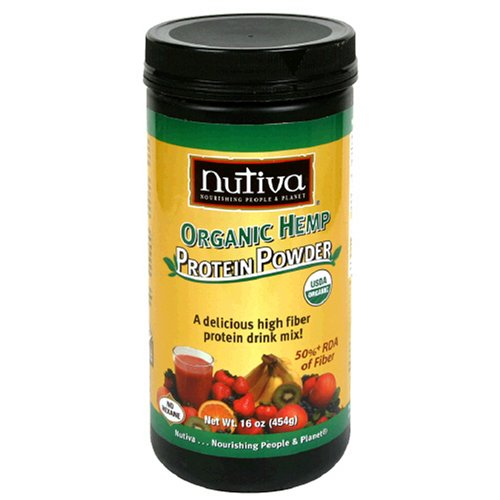
    • Hemp
      • Increasing in popularity among athletes due to its high protein and low fat content. 
      • A complete protein and high in dietary fiber.
      • Studies have shown it increases metabolism, enhances energy levels, lowers cholesterol, increases immunity, and reduces food cravings. 


    • Soy
      • Low in fat, low in carbohydrates.
      • High in antioxidants.
      • Complete protein.
      • May cause upset stomach.
      • Difficult to stir into a drink/smoothie.
      • Taste is not very good, bean flavor. 
      • May not help muscle recovery as well as other protein sources.


    • Rice
      • High in dietary fiber.
      • Complete protein, containing all amino acids. 
      • Hypoallergenic, causing fewer allergies such as soy, wheat, milk, etc. 
      • The body utilizes rice protein more than soy. 
      • Not as effective as building muscle. 


    My Recommendations:


    • Consume adequate amounts of protein from plant sources that are low in fat such as legumes, lentils, nuts, beans, tofu, edamame and whole grains.
    • When it comes to animal protein, I recommend fish and eggs.  
    • If you eat meat, consume lean poultry and lean red meat.


    ~ A 6 ounce steak is approximately 38 grams of protein, 44 grams of fat, with about 16 grams of saturated fat, almost three-fourths the recommended daily intake for saturated fat.


    ~ The same size piece of  salmon gives 35 grams of protein and 18 grams of fat, with 4 being saturated. 


    ~ A cup of cooked lentils has approximately 18 grams of fiber and less than 1 gram of fat. 


    Why I say NO to the Atkins Diet and all No/Low-Carb Diets!
    • High in saturated fat.
    • Low in fiber.
    • Low in nutrients and essential amino acids, vitamins, and minerals. 
    • Too high in protein that can ultimately harm the kidneys and other organs.
    • Can lead to calcium deposits in the blood, causing potential kidney stones.
    • Increase water weight and weight gain instantly after consuming any carbohydrates.
    • Awful for your heart, clogging arteries, and essentially leading to plaque build-up and Atherosclerosis.
    • After only a short time on a no carbohydrate diet, the body goes into a state of Ketosis, where the brain and organs rely on energy production from protein and fat sources since there are no carbohydrates available. 
    • It is more difficult to lose weight in the long run doing this diet and I highly recommend a diet high in fruits, vegetables, complex carbohydrates, and healthy protein sources.
    • I also recommend limiting or cutting out cheese, which is high in saturated fat and is literally addicting from the casein, according to numerous medical research studies. 


    Sunday, January 24, 2010

    Vitamins and Mineral Supplements...Too Much of a Good Thing?

    While some of us believe that taking a multi-vitamin and supplements are pointless and a waste of money, others rely on vitamin popping on a daily basis, spending hundreds of dollars a month. The fact is, most people aren't eating a well balanced diet everyday to ensure requierd vitamin dosages for the body, causing a lot of people to turn to supplementation.

    What is the real verdict? In order to actually know what your body requires vitamin wise, you're best bet is to speak with your physician and get a blood test to see deficiencies. Taking a multi-vitamin once a day will most likely benefit the average person, who typically isn't consuming enough fruits and vegetables every single day to meet the requirements.

    Most vitamins do have toxic levels if taken consistently in excess, especially the fat-soluble vitamins A and D, which can accumulate i the body. Vitamin A is actually the most toxic vitamin if taken in high levels above the 700-900 mcg recommendation. B-vitamins are water soluble and amounts that do not bind are excreted in urine.

    Omega-3 fatty acids, fish oil, alpha-linolenic acidThe chances of one overdosing on vitamins is not very high, but overdosing on numerous minerals and other supplements is a bit easier. From L-Carnitine to  Fish Oil, Flaxseed Oil, Milk Thistle,

    It is estimated that 5-10% of people who take supplements ingest megadoses of certain vitamins and minerals.

    Too many vitamins in the body can lead to toxicity and interfere with the bodies natural defense mechanisms. If you take a wide array of supplements a day, you could be at risk for harming your body and storing toxic substances in your liver and organs. This may result in skin rash, hives, nausea, disturbed body systems functioning, liver damage, irritability, weakness, headache, etc. This table provides the daily required vitamins and the dosages at which you should be getting, along with overdose side effects.


    On the other hand, taking the right amout of vitamins in complimentary form is extremely beneficial to the body. As we age, our bodies do not absorb vitamins as efficiently. For instance, as we get older, we do not absorb iron as well, but taking it with Vitamin C increases this. Taking Vitamin D with Calcium also increases absorption and overall bone health.